
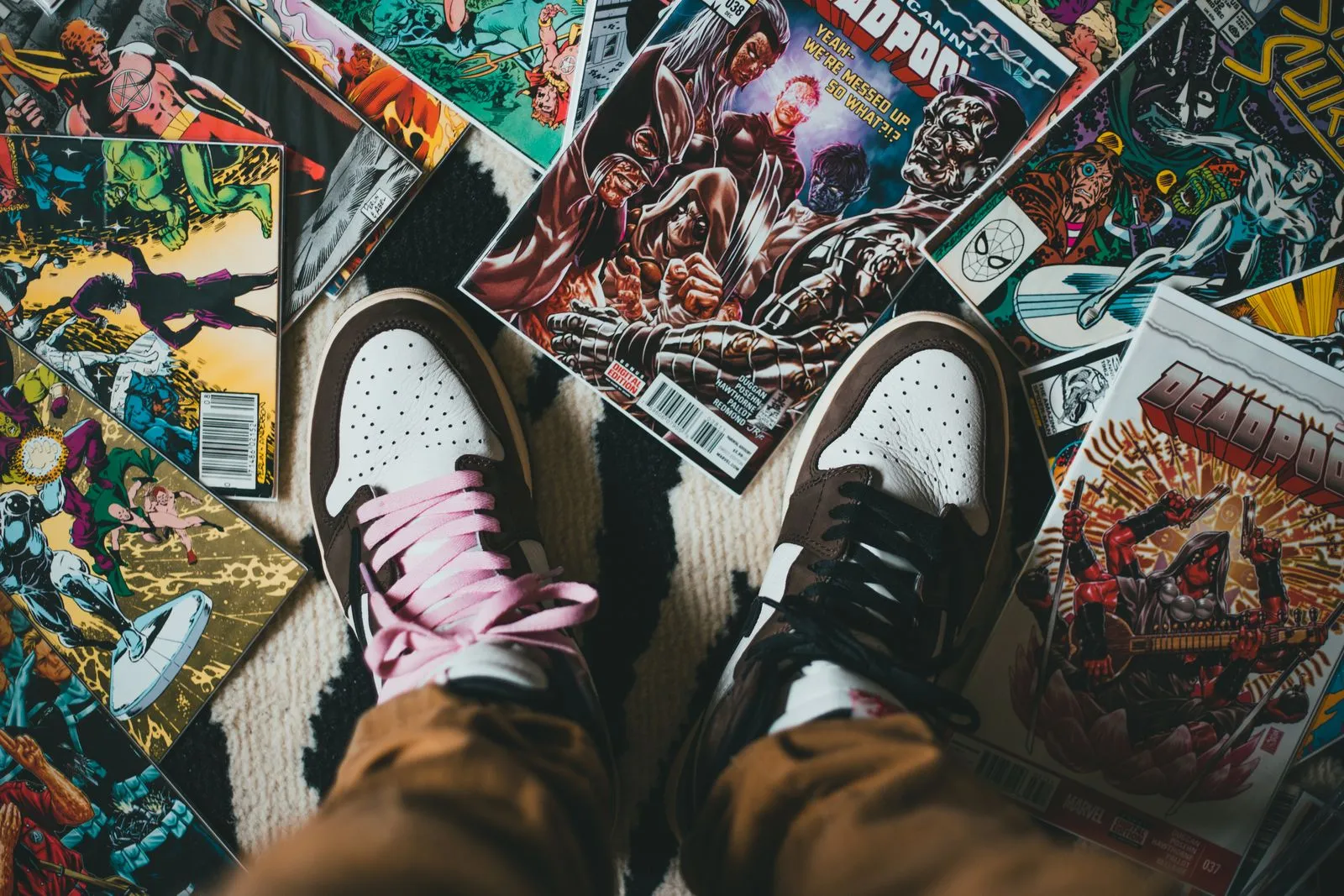
Comics come in several formats, and each offers a different way to follow a story. Single issues arrive in shorter installments, collected editions bundle several installments together, and graphic novels often present a complete story in one book. The right choice depends on how quickly you want to read, how much you want to spend at a time, and whether you prefer a compact collection or a longer volume. Here’s what to consider before you pick one.
Single Issues: Read as They Release
A single issue is one installment of an ongoing comic series. It usually focuses on one part of a larger storyline, so you may need to follow several issues to see the full arc. This format suits readers who enjoy keeping up with a series as new chapters arrive and discussing the story as it unfolds.
Individual issues let you try a series without committing to a larger book. However, the story may end on a cliffhanger, and collecting every installment can take time and shelf space. Before starting, check the issue number and whether the series is part of a longer arc, a relaunch, or a standalone chapter.
Collected Editions: Several Issues Together
Collected editions gather multiple comic issues into one book. Common forms include trade paperbacks and hardcovers, and they often include a complete story arc or a substantial stretch of a series. This format makes it easier to read several chapters in sequence without tracking down each issue separately.
A collected edition can be a practical starting point if you want a fuller story before deciding whether to continue. It typically costs more upfront than one issue, though it may bring together material you would otherwise buy piece by piece. Check the volume number and contents page to see which issues are included and where the book fits in the series.
Graphic Novels: A Book-Length Story
Graphic novels are book-length comics, often designed as complete stories rather than installments in a monthly series. Some are entirely self-contained; others connect to a larger universe or continue in a follow-up volume. The label describes the book format, not a specific art style or audience, so graphic novels can cover many genres and reading levels.
Choose this format when you want a story you can read from beginning to end in one volume. If a title appears connected to other books, look for reading-order notes or a series label on the cover or publisher’s description. That can help you decide whether you can start there or should read another volume first.
Choose by Reading Style
For the latest chapters and a small purchase at a time, try single issues. For a longer stretch of a series in one book, look for a collected edition. For a complete story without following monthly releases, consider a standalone graphic novel. These are useful starting points, not strict rules: some readers enjoy mixing formats depending on the title.
Also consider how you like to keep and read books. Issues are compact and easy to browse individually, while collections keep related chapters together and may be easier to lend or reread as a sequence. If you are unsure, ask a comic shop for a spoiler-free recommendation and mention whether you want a complete story, a new ongoing series, or a particular character.
There is no single best comic format. Single issues offer serialized reading, collected editions bring chapters together, and graphic novels often provide a complete book-length story. Start with the experience you want, then check the volume or reading order before buying. If you’d like help choosing a format or finding a starting point, ask the team at Summit Comics.